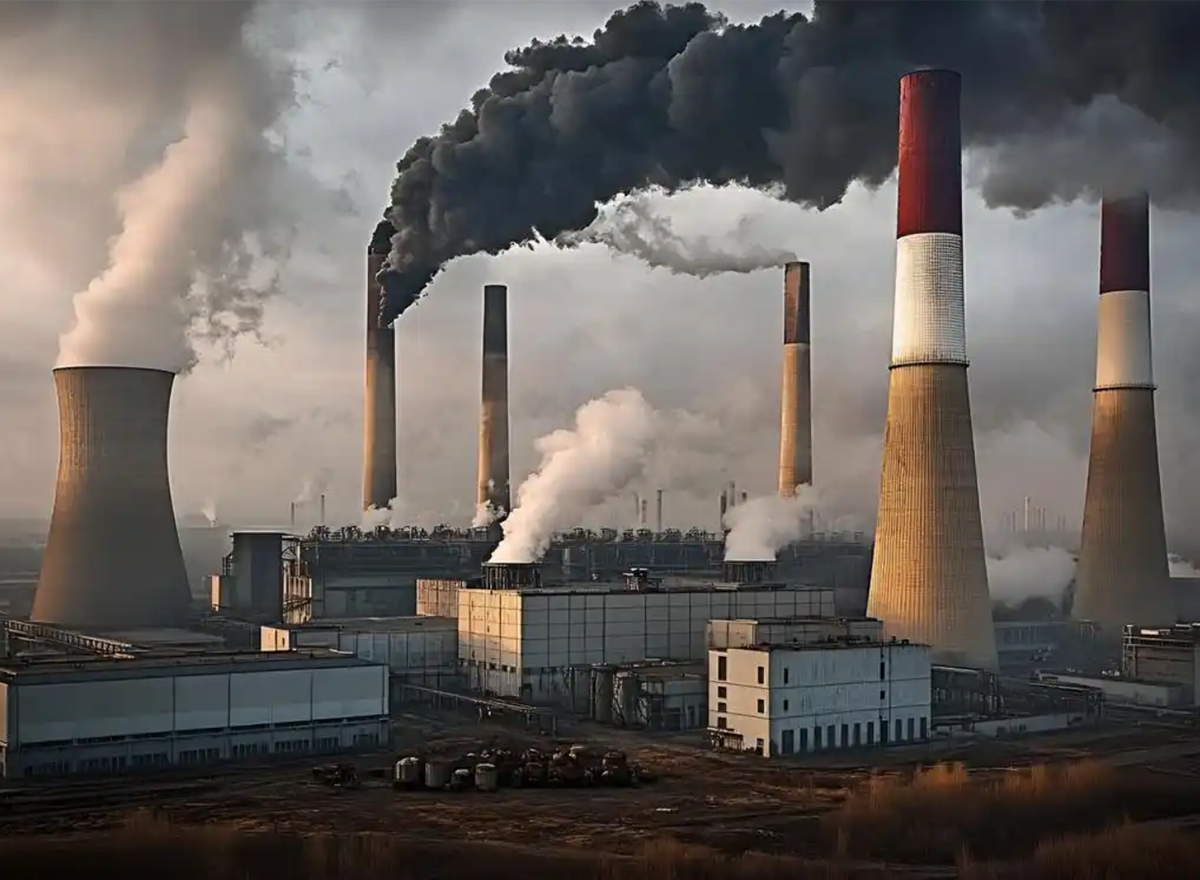
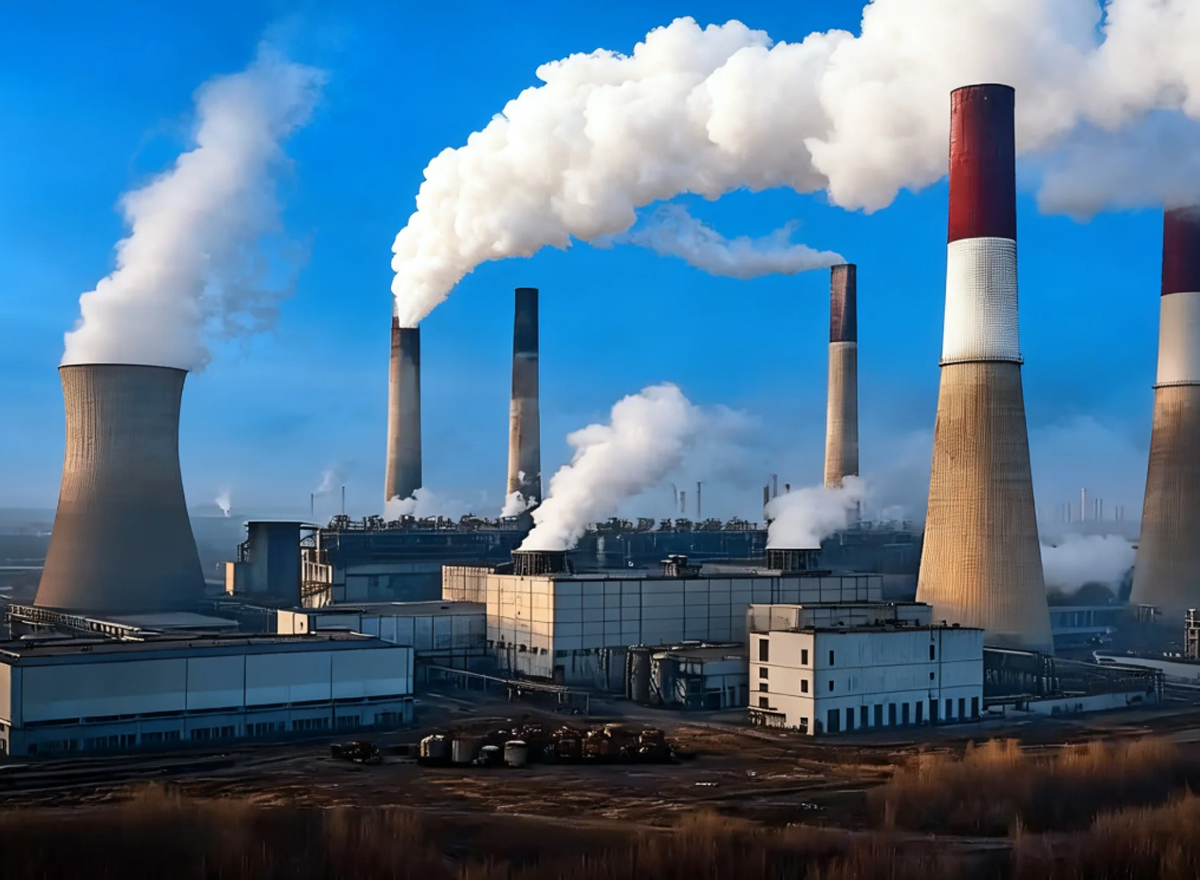


Air filters are designed to remove harmful compounds from the air we breathe. Besides, many of these compounds produce unpleasant odors. Long-term inhalation of these pollutants can lead to health problems. Furthermore, various industrial processes, such as pharmaceuticals and electronics manufacturing, require extremely clean ambient air to prevent pollution.

Unwanted odors can be disruptive. Activated carbon are used to removeodour and unwanted smells from sewage gas in wastewater treatmentplants, pumping stations, and other exhaust locations.

Flue gas that needs to be purified is what power, steel, and cement plants have in common. Flue gas in Coal fired power plants contains traces of mercury. Cement plants’ flue gas can contain mercury and dioxins, their trace concentrations being dependent on the fuel used. Dioxins and mercury are present in the flue gases from sintering processes in steel plants.

Flue gas from waste incineration contains harmful components that pose significant environmental and health risks. The primary pollutants of concern are dioxins and furans (highly toxic persistent organic pollutants), heavy metals (like mercury and lead), Volatile Organic Compounds (VOCs), and acidic gases such as hydrogen chloride (HCl) and sulfur dioxide (SO₂).

Volatile organic compounds (VOCs) are organic substances that evaporate readily at room temperature. They are ubiquitous in indoor and outdoor air, and can pose significant health risks. Activated carbon, a porous material with a vast surface area, is widely used for the adsorption and removal of VOCs from air, making it a valuable tool for improving air quality in various settings.

Mercury is a toxic metal that is present in many natural gas and refinery streams.

Biogas and Renewable Natural Gas (RNG) produced from landfills and anaerobic digestion, generated through the anaerobic breakdown of organic matter, such as landfill waste, agricultural waste, and wastewater solids.


 Contact us
 How to buy
 News
News EN
EN


