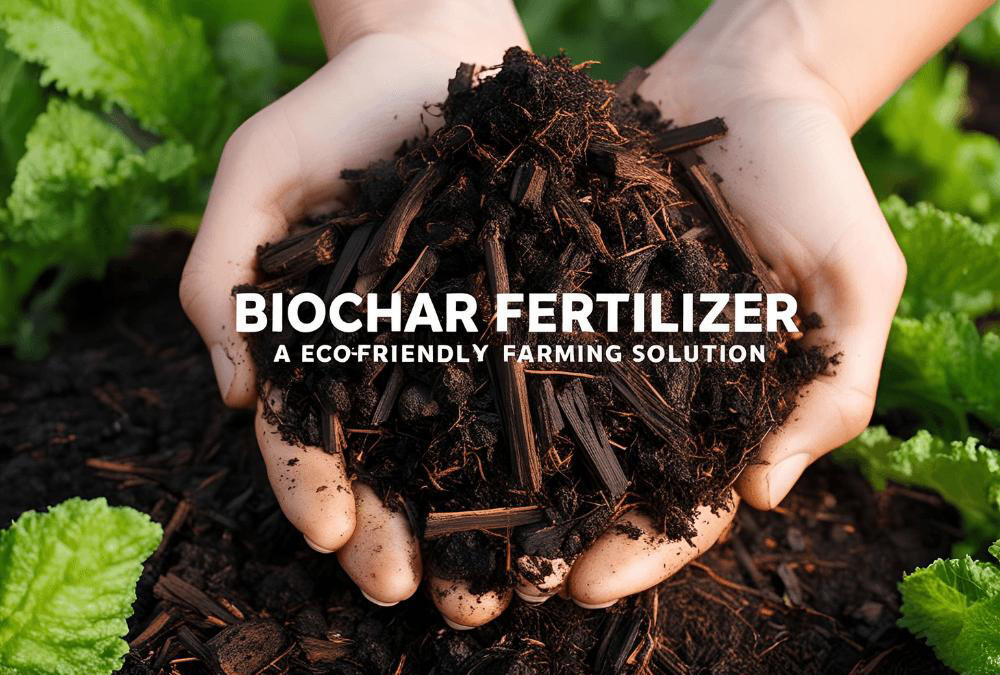

1. Enriched with organic matter and essential mineral elements, it promotes the formation of stable soil aggregates, enhances soil quality, and boosts crop productivity.

2. Enhance soil aeration, water retention, and nutrient-holding capacity while reducing the use of chemical fertilizers. Activate root vitality, improve crop stress resistance, and promote healthy plant growth.

3. By adsorbing and immobilizing heavy metals and pesticide residues in soil, it helps purify soil and enhance the quality of agricultural produce.
4. Establish an optimal rhizosphere environment to enhance the growth and reproduction of beneficial microorganisms around the root system.
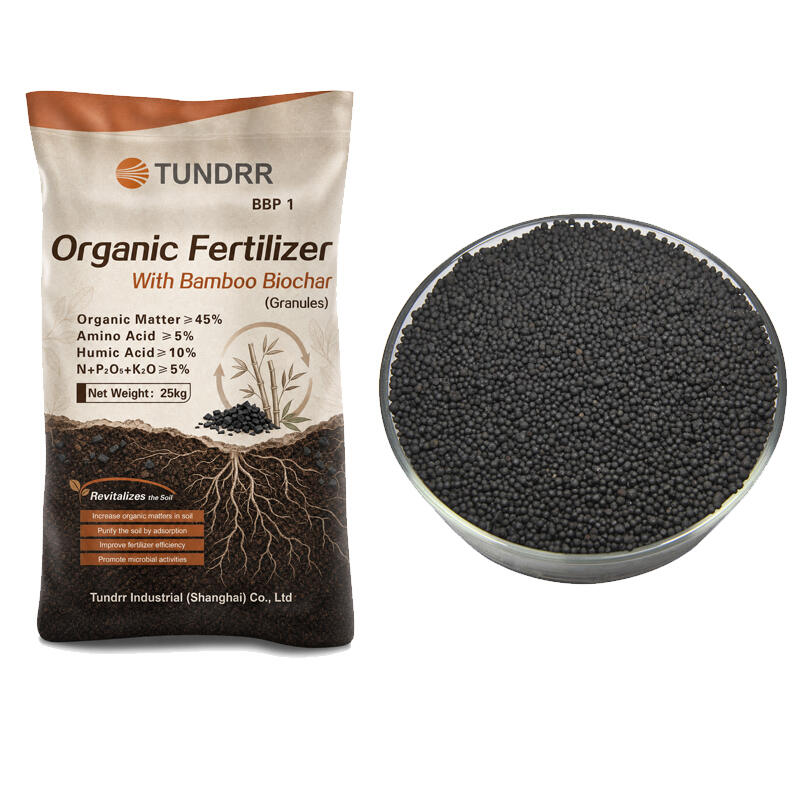
Organic Matter
≥45.0%
Total Nitrogen
≥4%
Phosphorus
≥1.0%
Potassium
≥1.0%
Calcium
≥8.0%
pH Value
:6.0-7.0
Particle Diameter
4.0-7.0mm
Moisture Content
11.5-12.5%
Color
Black
Fecal coliforms
≤100 CFU/g
Ascaris egg mortality rate
≥95%
Mercury (Hg)
≤2 mg/kg
Arsenic (As)
≤15 mg/kg
Chromium (Cr)
≤150mg/kg
Thallium (Tl)
≤2.5mg/kg
Cadmium (Cd)
≤3 mg/kg
Lead (Pb)
≤50 mg/kg
Suitable for conventional soils, especially sandy and compacted soils. It can be used as both a basal fertilizer and a topdressing fertilizer. It is rich in amino acids and fulvic acid/humic acid. These low-molecular-weight organic substances can be directly utilized by plant roots and beneficial soil microorganisms, significantly enhancing root vitality and improving crop stress resistance, including drought and disease resistance.
It also effectively alleviates continuous cropping obstacles (replanting problems) caused by long-term monoculture of the same crop.
Mild nature: with a pH value between 6.0 and 7.0, it is neutral and does not significantly alter soil acidity or alkalinity. It is highly safe and has a low risk of seedling burn.
Recommended for conventional agriculture, organic farming, and horticultural crops, including vegetables, fruits, tobacco, coffee, tea, cotton, sugarcane, bananas, sweet potatoes, tomatoes, flowers, and more.
Application can be carried out by furrow application, hole application, or broadcast application. After application, the soil should be covered promptly. The following are general recommended dosages for different application scenarios; actual application rates should be adjusted according to soil type, crop variety, fertilization method, and climatic conditions.
Vegetables: 1,200–1,800 kg/ha
Melon and solanaceous crops: 2,200–2,800 kg/ha
Fruit trees: 1.5–2.5 kg/tree
Field crops: 1,000–1,600 kg/ha
Horticultural cultivation: 10–15 kg of fertilizer mixed per 100 kg of substrate


 Contact us
 How to buy
 News
News EN
EN