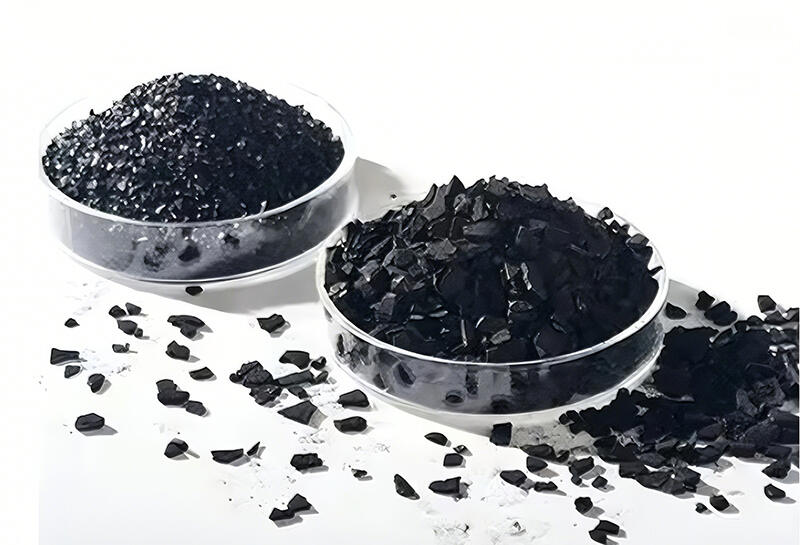
Iodine Value: 900–1400 mg/g
Ash Content: ≤3%
Particle Hardness: ≥98%
Loss Rate: ≤4%
Particle sizes: 4×8 mesh (2.36–4.75 mm), 6×12 mesh (1.7–3.35 mm), 8×30 mesh (0.60–2.36 mm), 12×40 mesh (0.43–1.70 mm), 30×60 mesh (0.25–0.60 mm). Custom particle sizes available upon request.
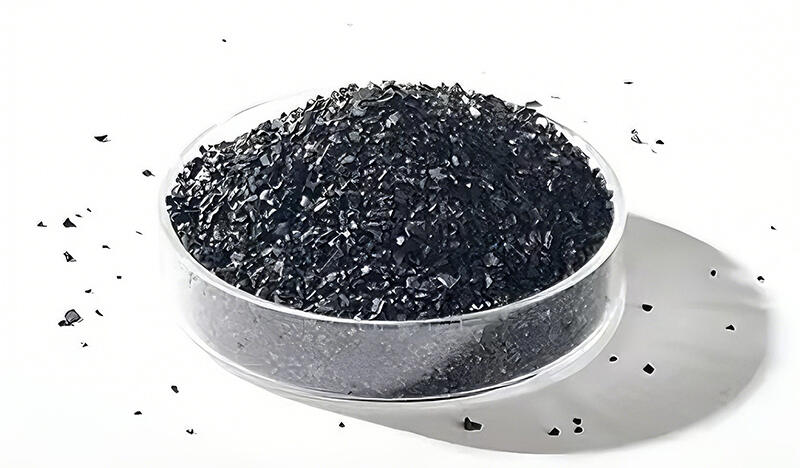
Iodine Value: 900–1400 mg/g
Ash Content: ≤3%
Particle Hardness: ≥96%
Particle Size: 8×30 mesh (0.60–2.36 mm), customizable particle sizes available.
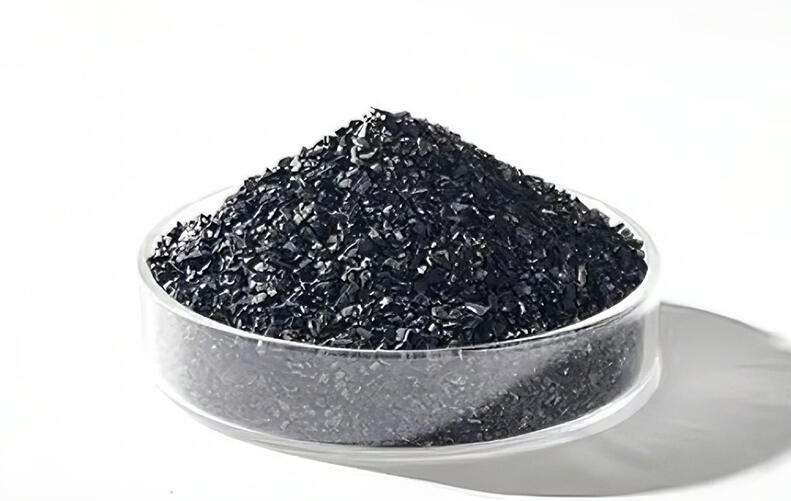
Iodine Value: 900–1400 mg/g
Ash Content: ≤3%
Particle Hardness: ≥96%
Attrition Loss: ≤4%
Particle Size: 8×30 mesh (0.60–2.36 mm), customizable particle sizes available.
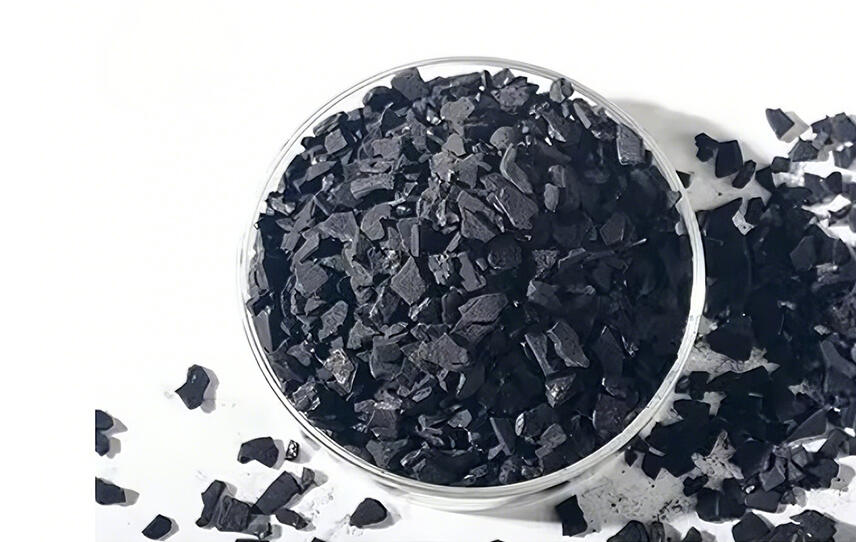
Iodine Value: 1000–1400 mg/g
Gold Adsorption Value: 215 g/kg
Ash Content: ≤3%
Particle Hardness: ≥96%
Attrition Loss: ≤4%
Particle Size: 6×12 mesh (1.7–3.35 mm), customizable particle sizes available.
This activated carbon features an ultra-high specific surface area of 1500–2000 m²/g and a microporosity of ≥80%, resulting in far superior adsorption capacity and adsorption rate for small-molecule pollutants such as formaldehyde, benzene, residual chlorine, and heavy metal ions compared to coal-based and sawdust-based activated carbons.

The finished product typically has an ash content of <3%, while pharmaceutical-grade products have an ash content of <2% and are free from heavy metal residues. It complies with the stringent standards of the food and pharmaceutical industries and does not cause secondary pollution.

Excellent mechanical strength: The hard texture of coconut shell raw material endows the activated carbon particles with exceptional compressive strength and abrasion resistance, with material hardness typically exceeding 95%. In standard attrition tests, the particle breakage rate is below 5%. The renewable cycle life reaches up to 6–10 cycles, which is more than twice that of wood-based activated carbon, significantly reducing long-term operating costs. This outstanding durability directly translates into a longer service life in practical applications.

The raw material is agricultural waste (coconut shells), which is renewable and biodegradable. The production process leaves no chemical residues and complies with environmental protection policies.

The raw material cost is 3–5 times that of coal-based activated carbon, and the finished product price remains high, making it unsuitable for large-scale treatment of low-value wastewater (e.g., municipal sewage).

Since it is predominantly composed of micropores, its adsorption capacity for macromolecular organic substances (such as dyes and humic acid) is limited, and it needs to be used in conjunction with other mesoporous activated carbons.

At high temperatures above 650°C, the microporous structure is prone to collapse, resulting in a significant decline in adsorption performance, making it unsuitable for ultra-high-temperature exhaust gas treatment.


 Contact us
 How to buy
 News
News EN
EN